

Ashley Gates is a photographer from Jackson, Mississippi. She earned BA degrees in philosophy and English literature from the College of Charleston in South Carolina before spending thirteen years in New York City, where she developed her commitment to photography. She returned to Mississippi in 2019 and currently maintains a photography studio in Jackson. Her photographs have been exhibited nationally at venues including the Ogden Museum of Southern Art in New Orleans; Aperture Foundation in New York; Griffin Museum of Photography in Winchester, Massachusetts; Masur Museum of Art in Monroe, Louisiana; Pensacola Museum of History in Florida; Southeast Center for Photography in Greenville, South Carolina; and Jackson State University in Mississippi. Gates‘s self-published book of found Polaroids, We Didn’t See Each Other After That, was showcased at the Phoenix Art Museum and recognized as one of photo-eye’s Best Photobooks of 2016. She is the recipient of a Mississippi Arts Commission Visual Arts Fellowship for 2024–2025.
Contributing writers were encouraged to pen texts using the style, voice, and format of their choice. The resulting suite of poetry, journalistic and critical prose, creative essays, and personal reflections offers diverse perspectives on the artists, their practices, and their lives.
A Note from the Curator
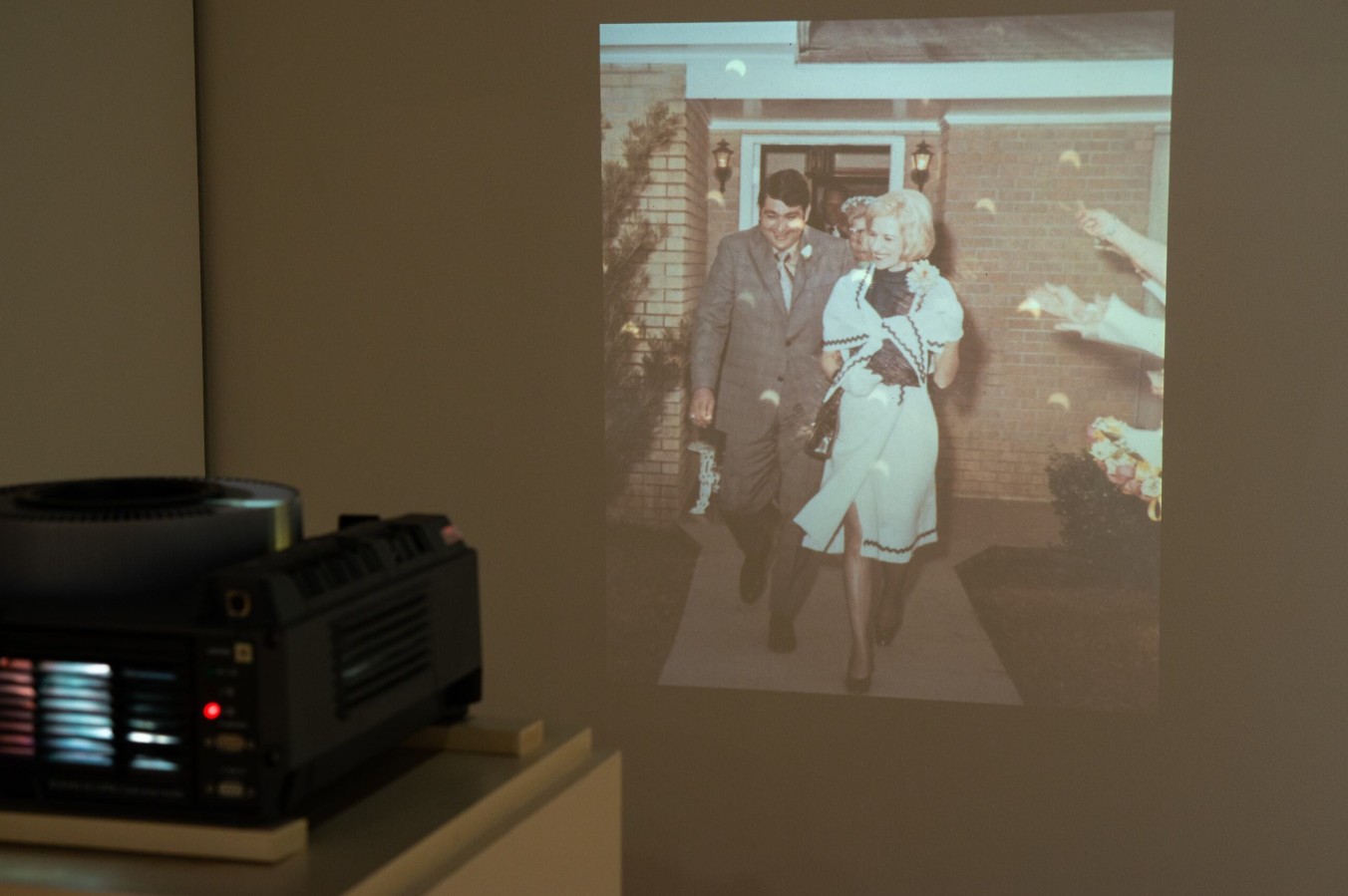
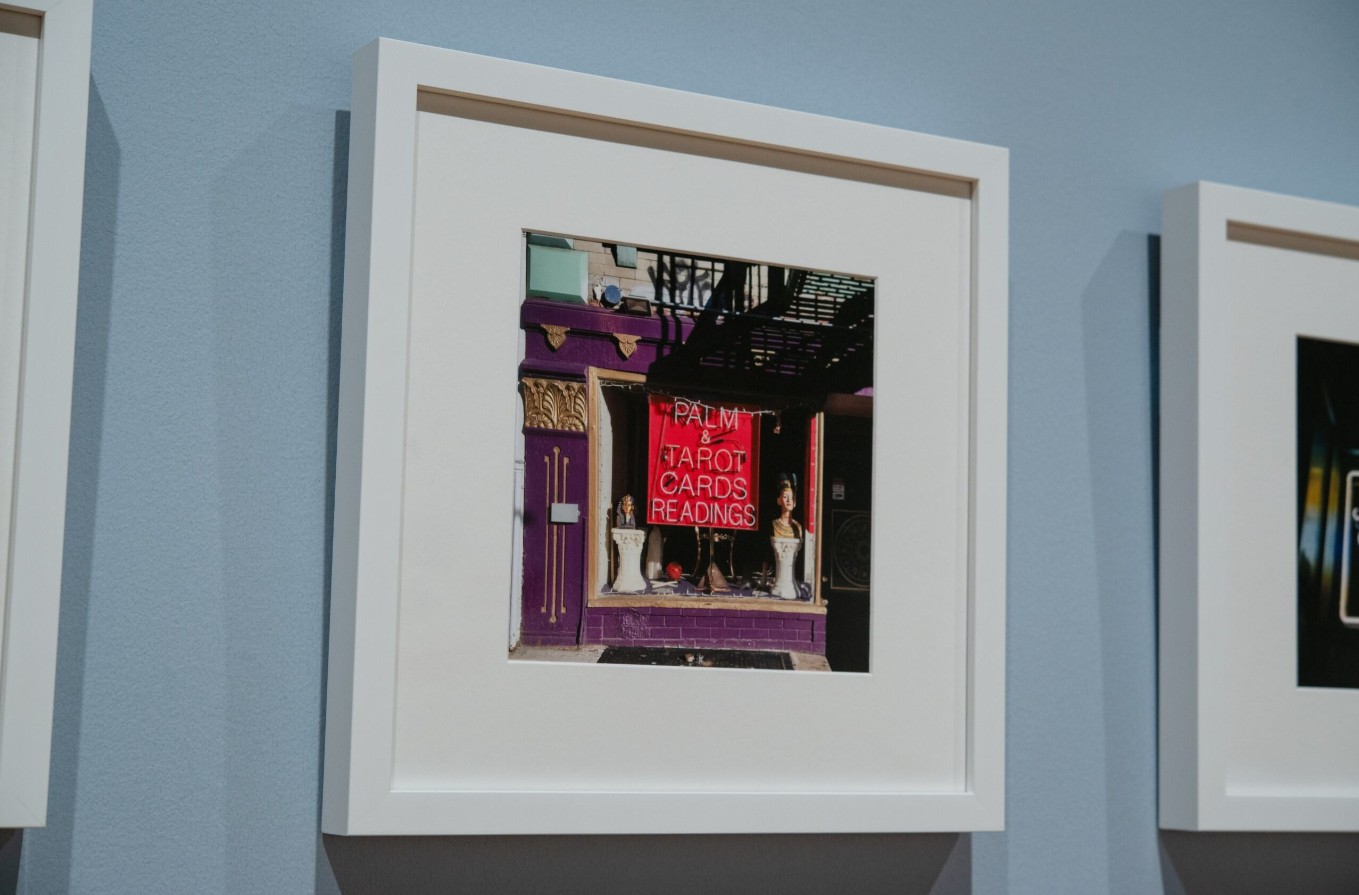
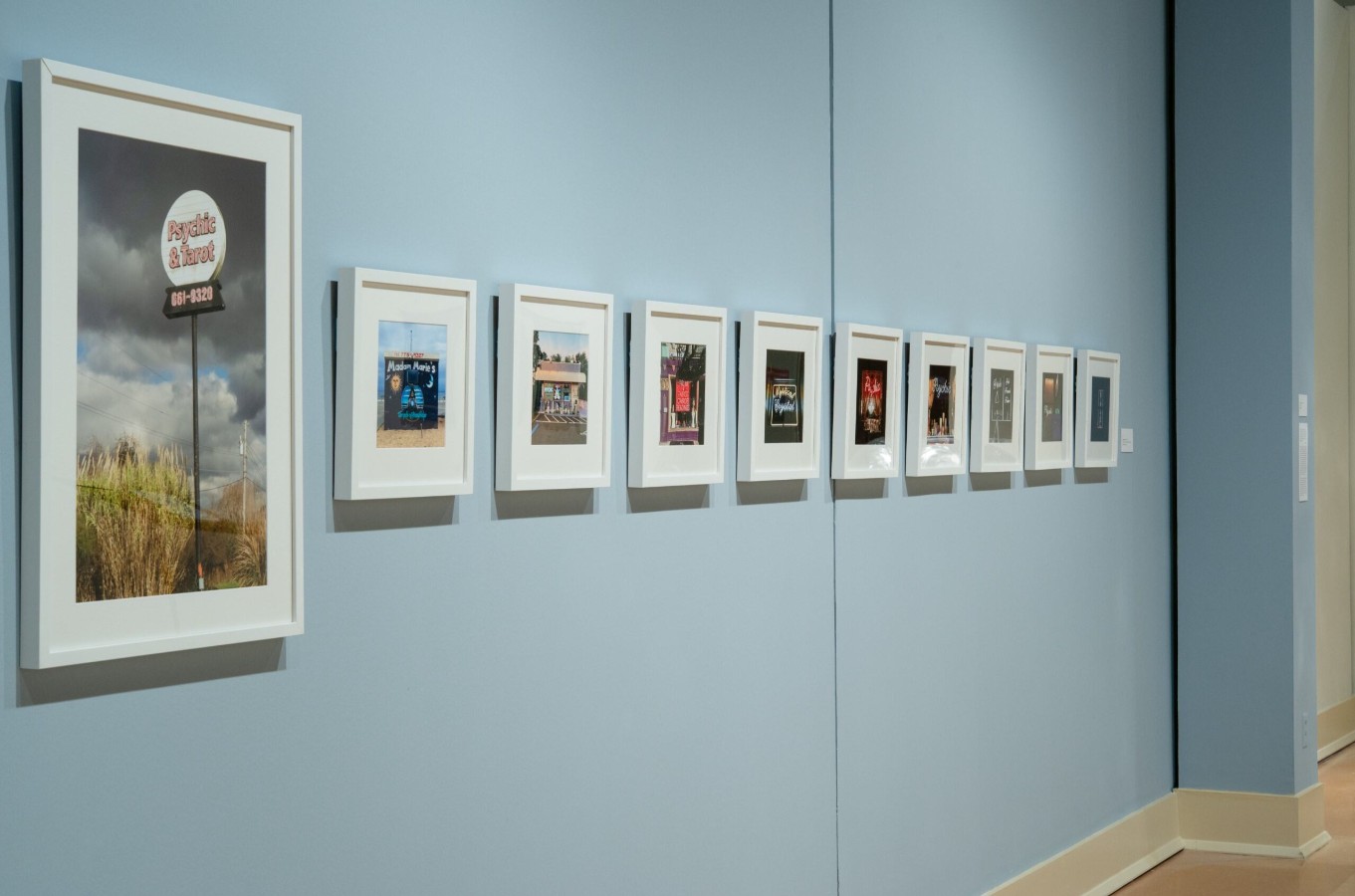
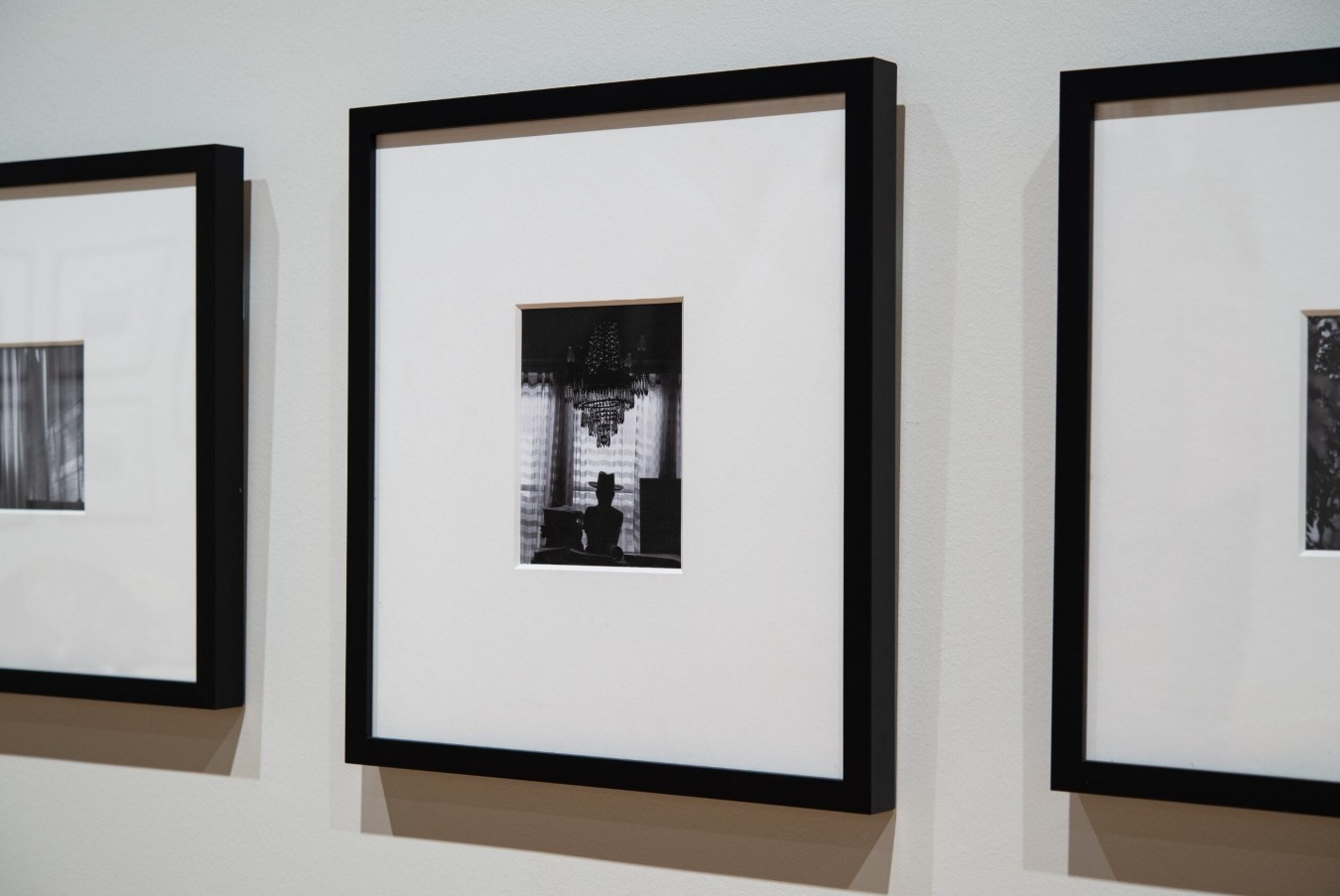
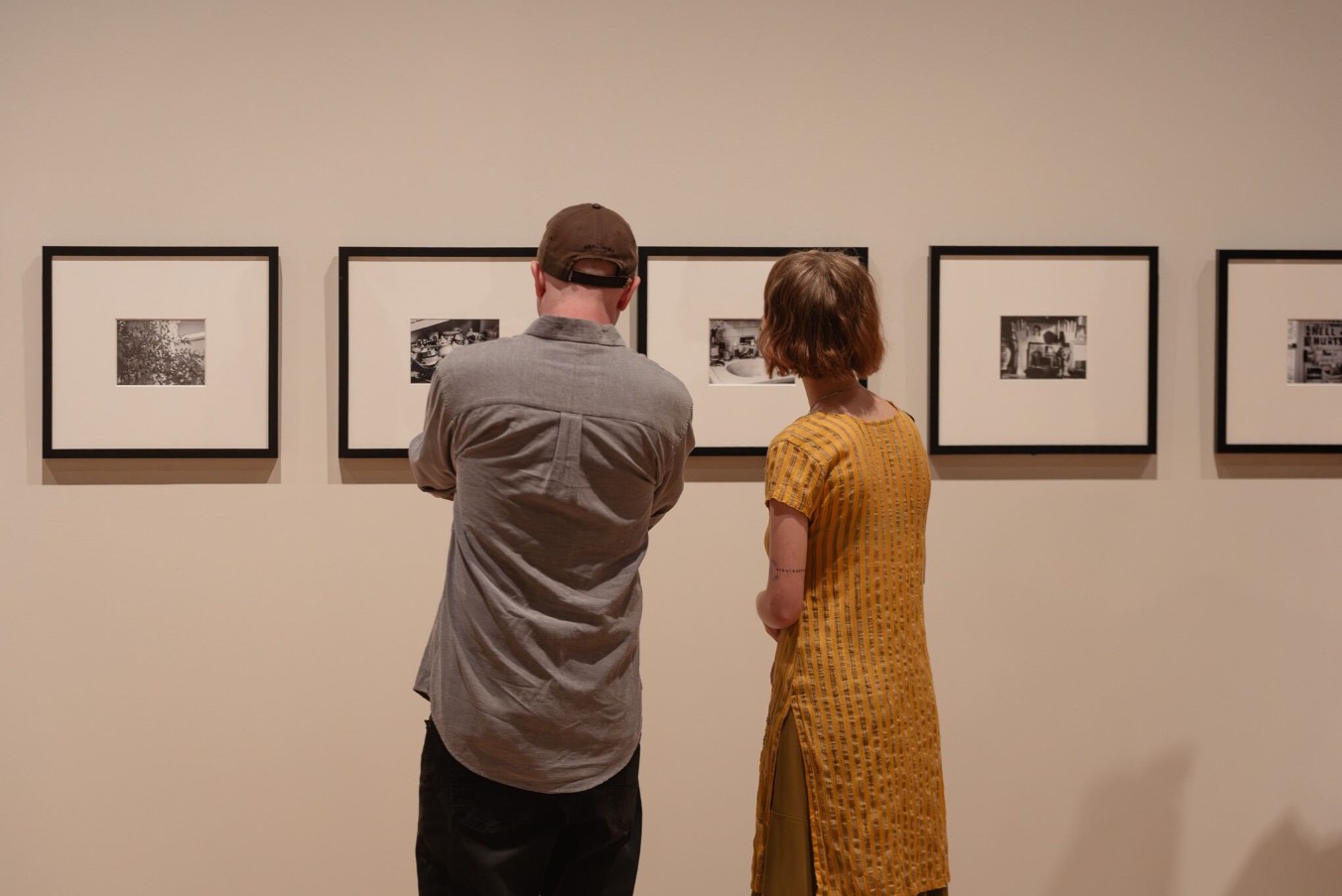
Complementing photographer Ashley Gates’s images, Jackson-born novelist Katy Simpson pens prose that ruminates on the delicate boundaries between this life and the next. In a stream of conscious flow, the author brilliantly unites the three distinct bodies of Gates’s work featured in the 2025 Mississippi Invitational. She reveals a strong thematic undergirding that connects the disembodied portraits of Gates’s House Sitting series to her photographs of fortune teller storefronts and signs, which all inform her newest installation, Diamond Ring, a series of photographs presented on projector slides for the exhibition.
Katy Simpson on Ashley Gates
There is a veil hanging between our world and another. Children sense it; the dying feel its brush; artists look closely, trying to name it. In her extraordinary photographs, Ashley Gates breathes on the veil, animating it, giving it the shape of something like hope. Hope? This empty room, this flickering mother, these misspelled promises? This heavy weight of loss that Gates accumulates like a beetle? But loss, she understands, is not static. It wavers in a breeze. She asks us to see through it.
I ask these photographs: What is part of this world? What is part of the other? And what is the veil?
On Earth, they reply, we cling to artifacts: a curled sponge, stacked teacups, a porcelain hand, religion. Evidence of preparing for the next life with humor and succor, an eye to cleanliness, an eye to tenderness. We open our homes to wanderers. We let the light cut through window and wood to reach us.
On Earth we have Madam Marie and Mystical Crystal, conduits promising that the spirits will make sense if we turn over our hands to show our lifelines, place our hands on the glass ball, let a stranger lay hands on us. But the neon signs burn out. The icons gather dust. Through these fractures, no future seems reliable.
On Earth we have the photographer herself, assembling shards of memory: her mother, her mother, calling to us already from the distant world. In the past, everything can still be touched. A hand feels a shoulder, shag carpet, a gown, a hand feels its other hand. The body asks us to stay, here.
But Gates makes the veil visible. The splatter of droplets in a just-used sink, translucent chandelier pendants, the frost hanging like chandelier pendants from nandina berries. Water into snow into the possibility of melt; in other words, time.
The veil blurs space, is draped between a sign promising prophecy and a shop’s hazy interior, dim enough to tempt, too dim to convince. The curtains signify the unknowable. Yet doesn’t it look easy to walk right through?
The veil is the spray of the cosmos on the sheen of an old photograph, pinholes through which we see a woman both here and beyond, both caught and freed. The occluded sun licks the mother’s body, almost lifting her skin; it says, let this go.
And the other world? Gates’s only hint is that there, beauty survives. What is gnarled in this life will flower; what is frozen will thaw. Our grief, buried in the earth, will somehow grow. I trust her.
