
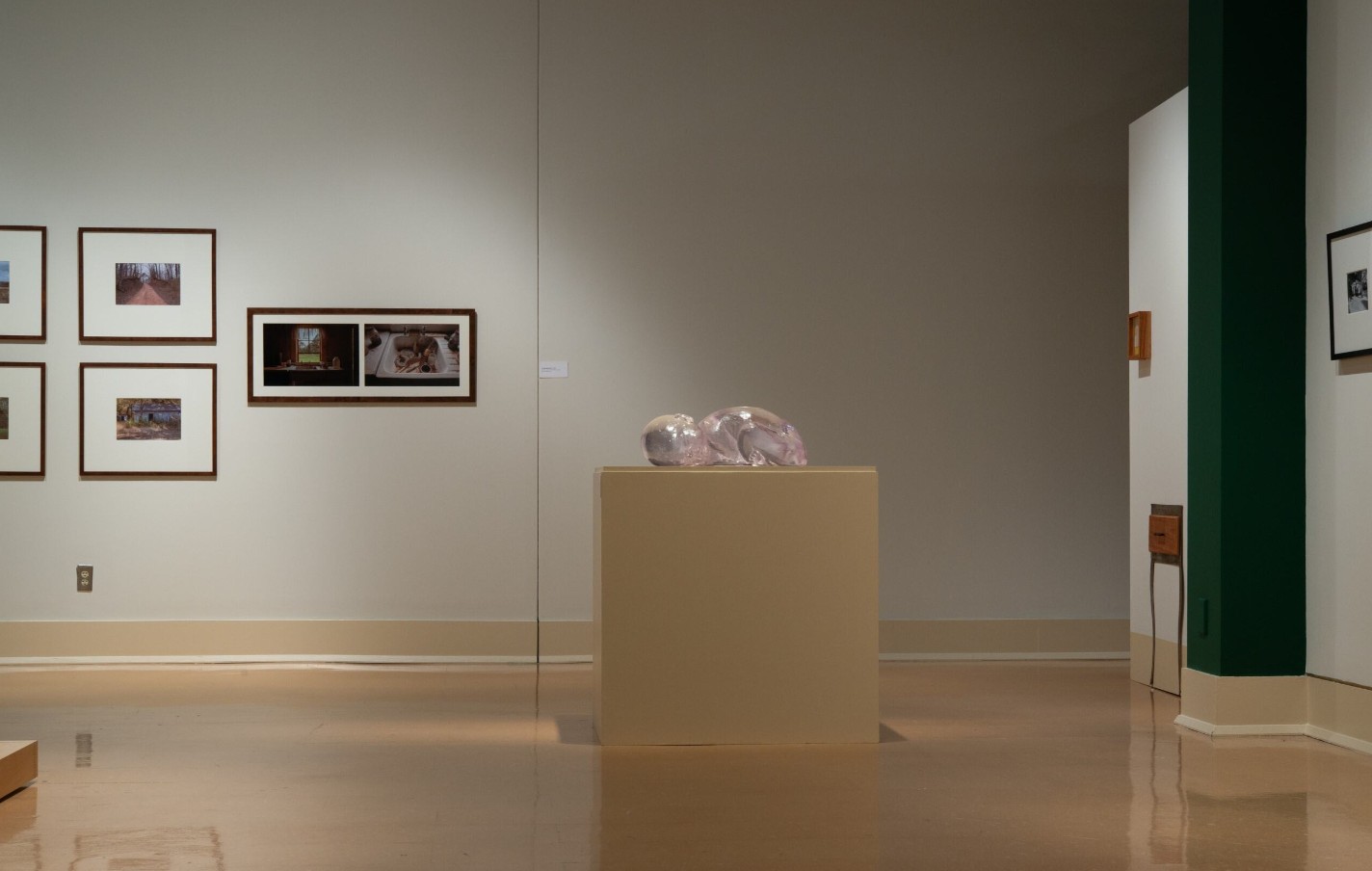
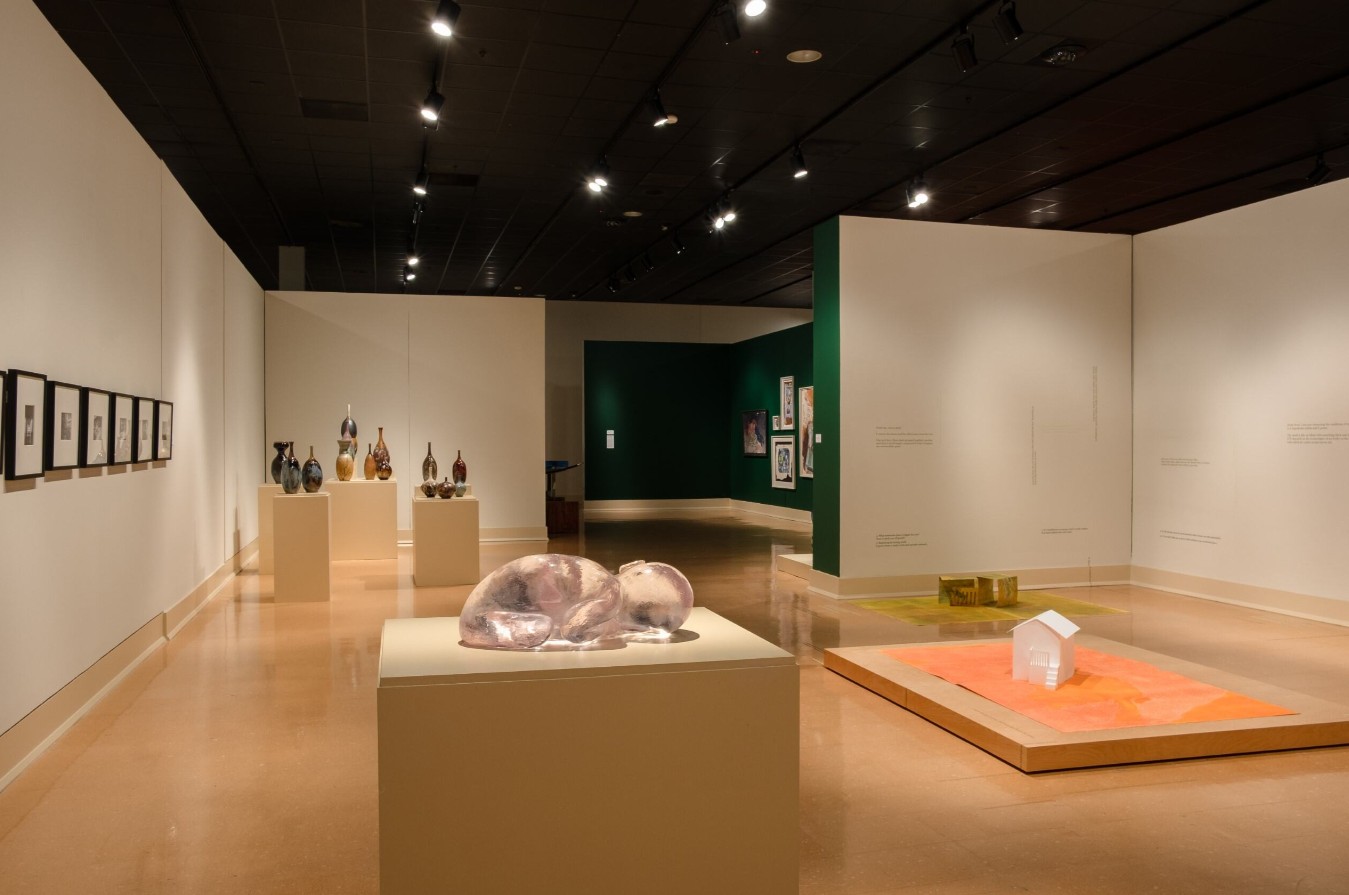
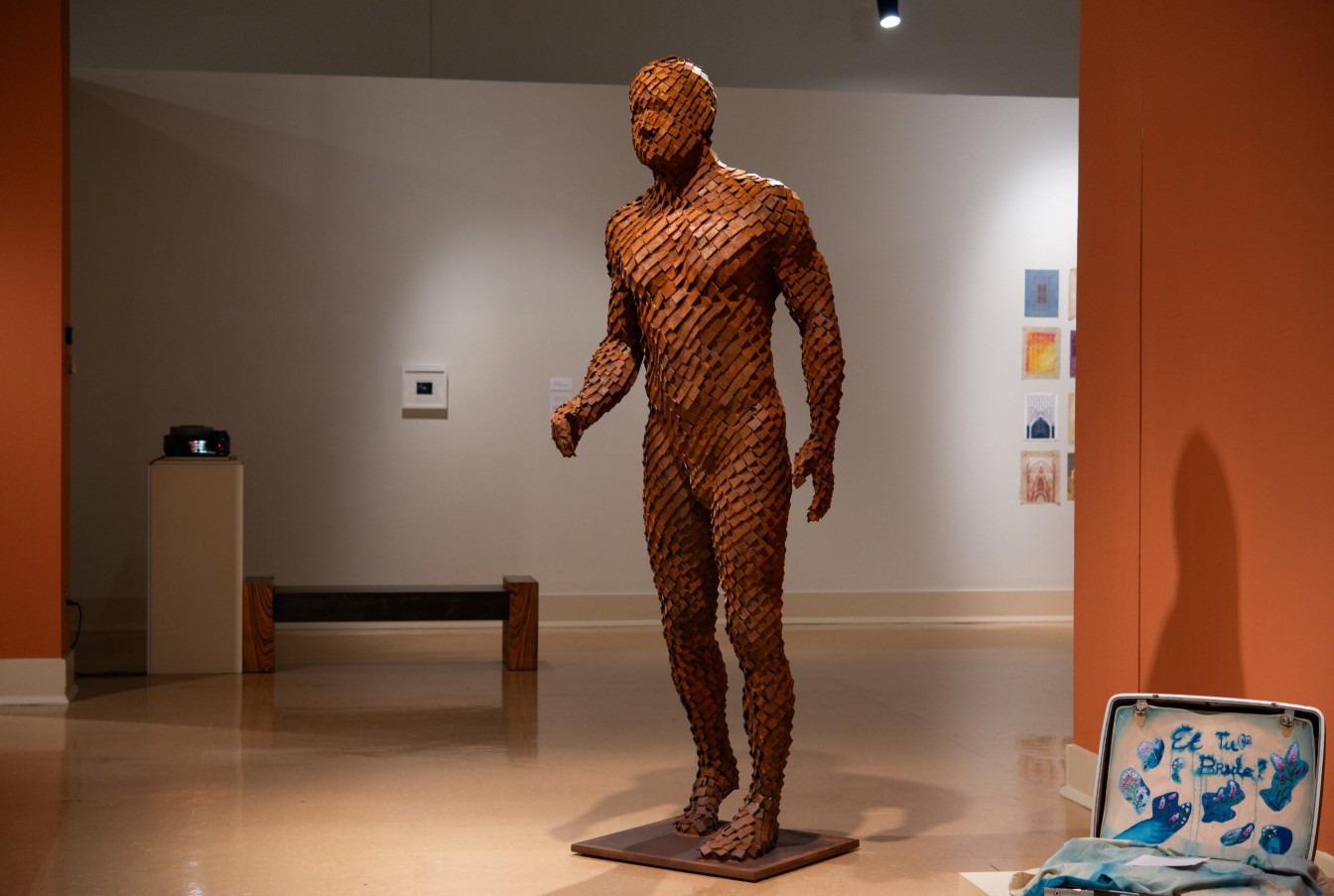
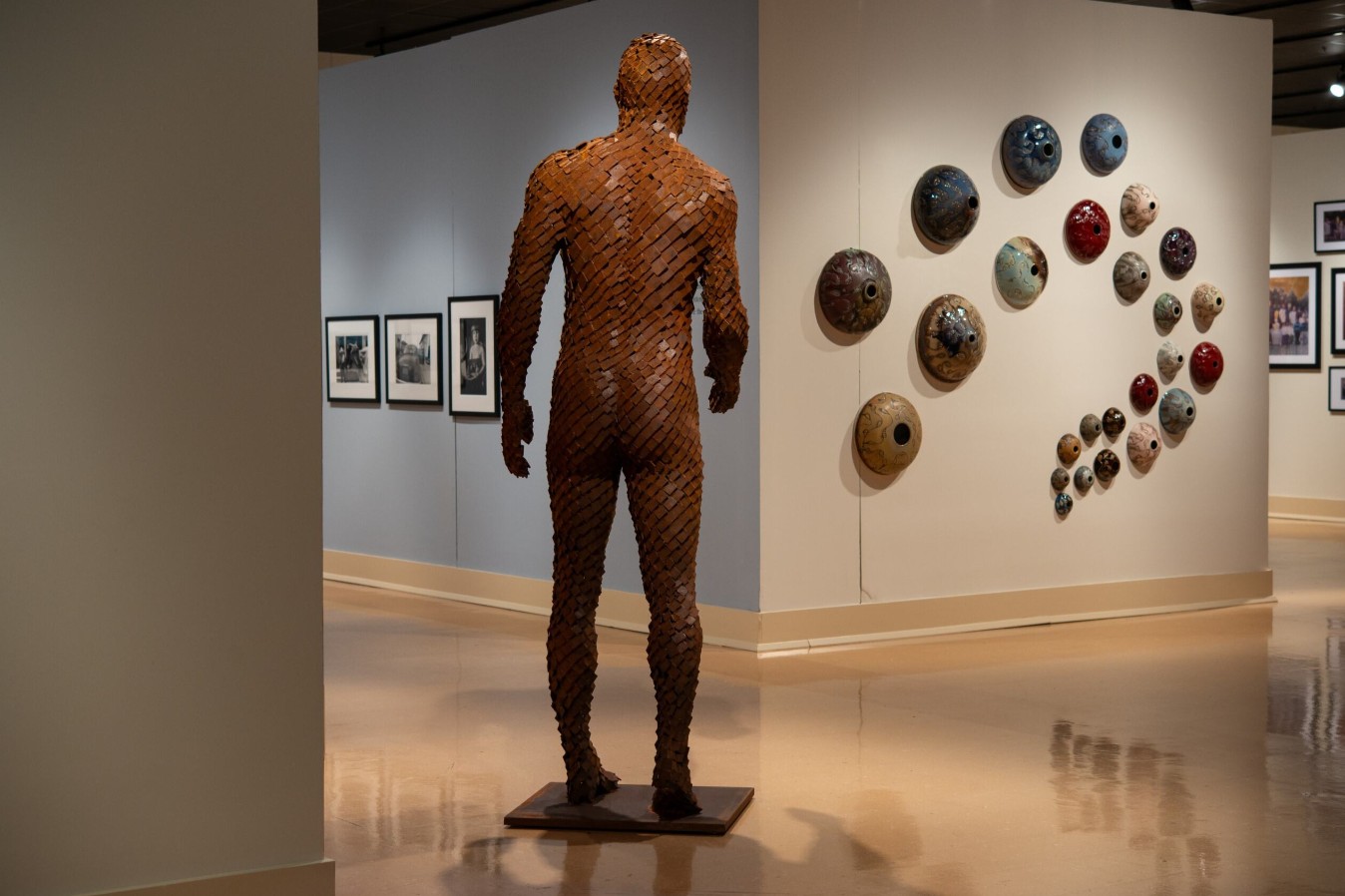
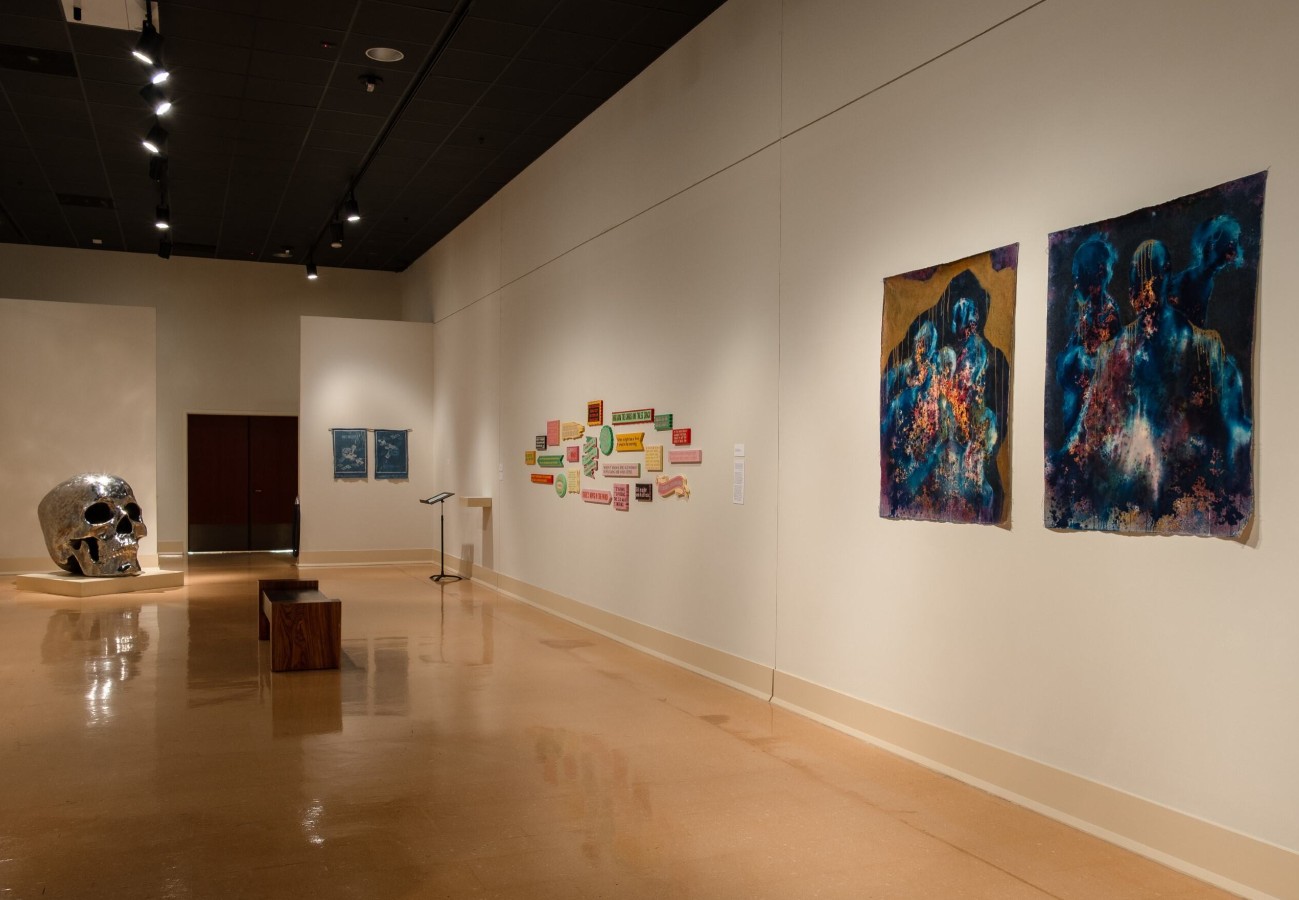
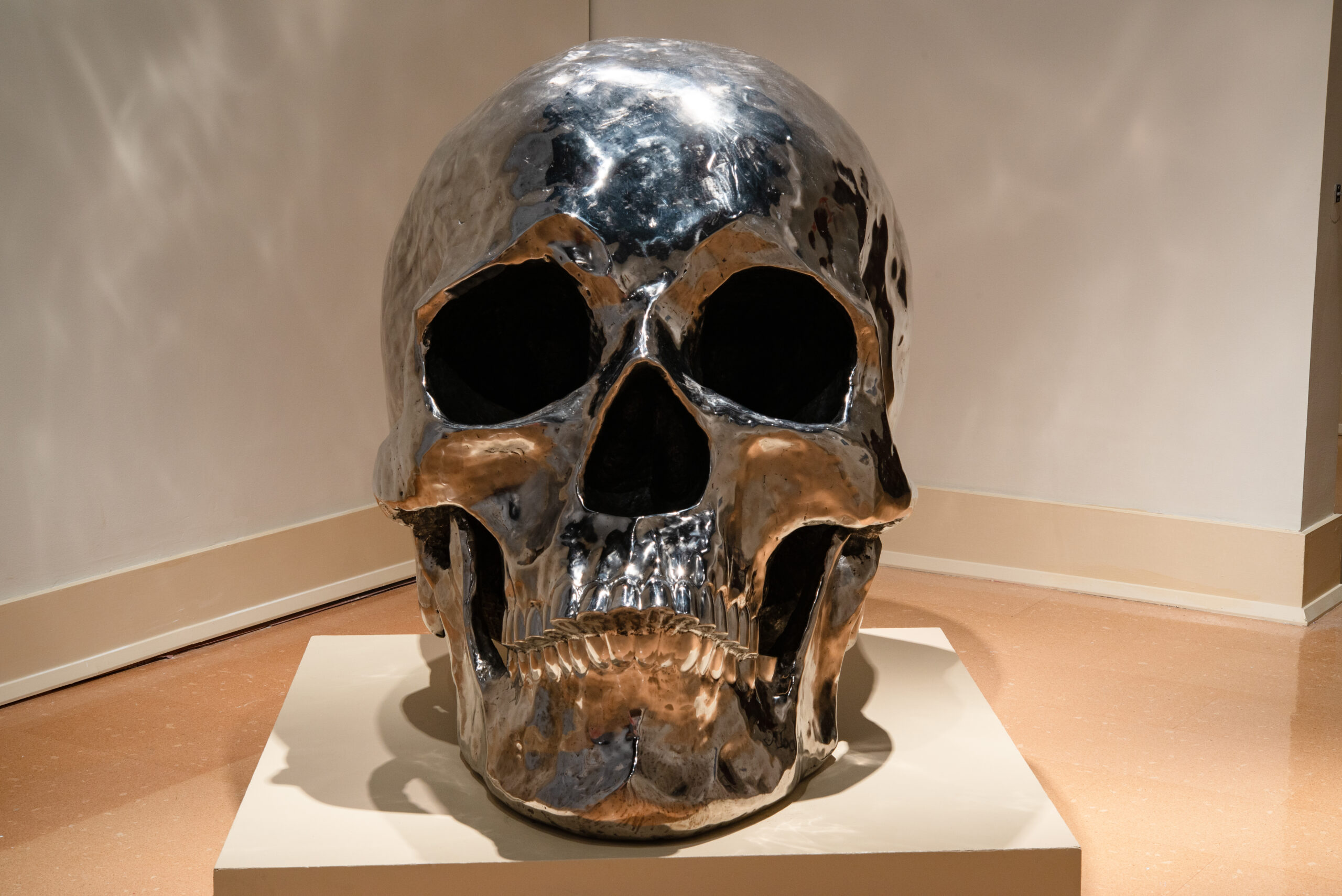
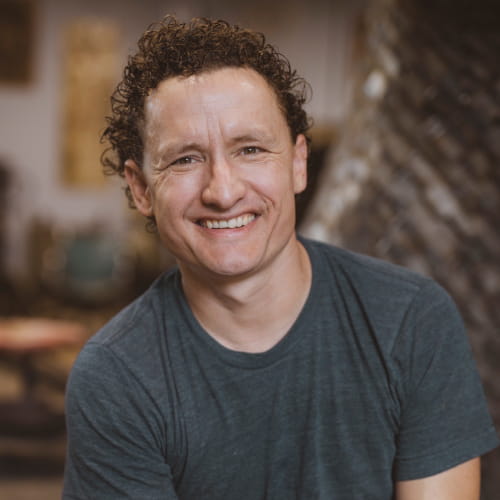
Jason Kimes received a BFA in sculpture from the University of Southern Mississippi in 2002 and an MFA in sculpture from Southern Illinois University Carbondale in 2005. He works in cast metals, welded steel, wood, and found objects, exploring the relationship of individuals and social groups with physical space, whether the built environment or the natural world. Kimes frequently illustrates these concepts in his work through the human figure, encouraging viewers to place themselves in relation to it and become more aware of the space they inhabit. Kimes’s outdoor sculptures can be found in private and public collections throughout the US and Canada, and he has contributed to sculpture-focused organizations such as the Mid-South Sculpture Alliance in Chattanooga, Tennessee, and the International Sculpture Center in Trenton, New Jersey. Committed to supporting the next generation of sculptors, he frequently meets with student groups and has served as a juror for multiple exhibitions. Kimes lives and maintains a studio in Laurel, Mississippi.
Contributing writers were encouraged to pen texts using the style, voice, and format of their choice. The resulting suite of poetry, journalistic and critical prose, creative essays, and personal reflections offers diverse perspectives on the artists, their practices, and their lives.
A Note from the Curator
In this short recount of their initial meeting, curator TK Smith reflects on the special circumstances of working with sculptor Jason Kimes.
TK Smith on Jason Kimes
At the tail end of a trip around the state of Mississippi, we arrived in the rural, southeastern town of Laurel in the early afternoon. We were greeted by the eager gallop of a Great Dane, a dog tall enough to wriggle his curious head through the open window of our Hyundai Elantra. Sculptor Jason Kimes followed shortly after, directing the dog and one of his children into the house. He extended his hand out to firmly shake hands with MMA curator Kaegan Sparks and me, inviting us down into his studio.
Resembling something between a 1930s auto shop and an airplane hangar, the studio was impressive, but empty. All the sculpture I expected to see was out in the world. If I wanted to see it, I would have go out and find it. Surrounded by clay models and empty armatures, we discussed Kimes’s art practice. He sculpts various metals into large-scale, artworks that grace public parks, street medians, and occasionally, private homes. Kimes was firm when I inquired about commissions. He has his own style, his own way of approaching the projects he takes on. Though it can be a collaborative process, Kimes doesn’t realize anyone’s vision before his own.
This is a high-stakes venture. Sculpting large-scale, particularly in metals, is physically demanding, time-consuming, and expensive. Beyond the logistics of making the work, public art is held to a different standard than art made for the gallery or for the home. The landscape, architecture, and encroaching nature must be considered. Public art has a heightened vulnerability to that nature, to the elements, and to public criticism when it is placed in the spaces we collectively share. Kimes welcomes this. He wants his work to be accessible, both conceptually and visually. He wants audiences to be able to engage with his sculptures without barriers. Art history, which can lend language to the vast sculpting traditions and visual allegories Kimes tends to reference, is useful, but not necessary background for engaging with his art. Kimes positions his figurative sculptures in and among landscapes, nearly at ground level, as if they were simply running, stretching, or resting in the sun.
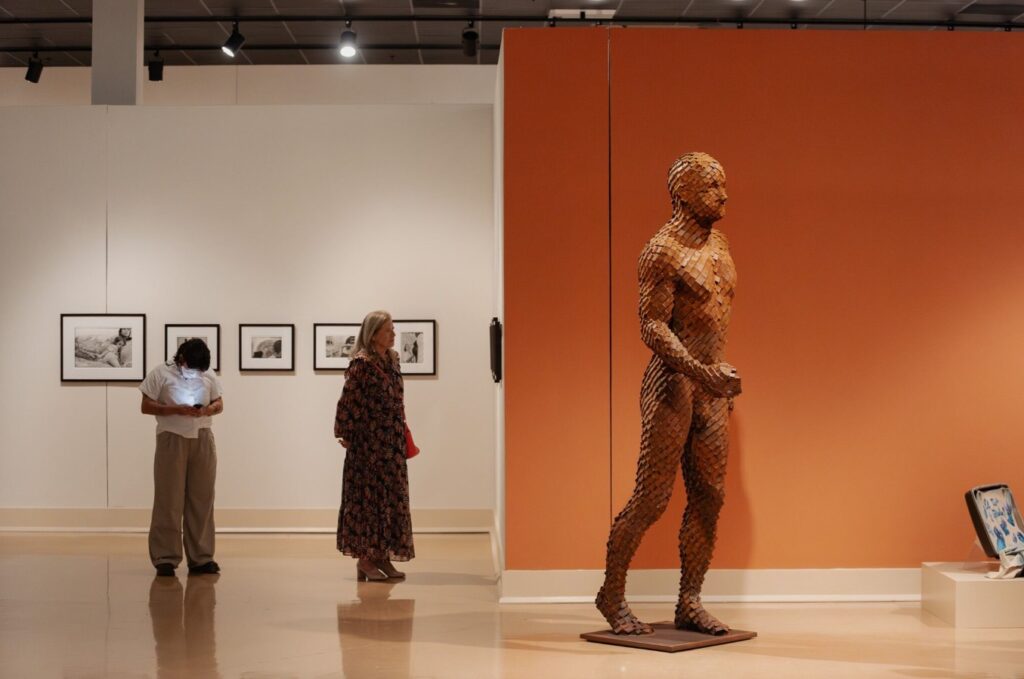
Shortly after our studio visit, I ventured to Chattanooga, Tennessee to experience one of his sculptures for myself. Not in the studio, but out in the world. After Bathsheba, an 8-foot-tall sculpture composed of tiny plates of polished steel welded into the form of a man, stood unassumingly in Sculpture Fields at Montague Park. The figure is not sculpted to Greek standards of perfection, nor posed like any hero or political leader. It stands, slim in shape and casual in pose, as if watching the clouds pass by. As I walked tightly around the sculpture, its reflective skin appeared to take on every color around it, throwing the surrounding trees, buildings, and sky back to me. As I gave the artwork some distance, light from the sun engulfed it. With the sculpture’s mirroring quality diminished, it appeared as if it were made of light itself. This source of awe, a man ablaze between the green grass and the clear sky, could only happen in open air.
