
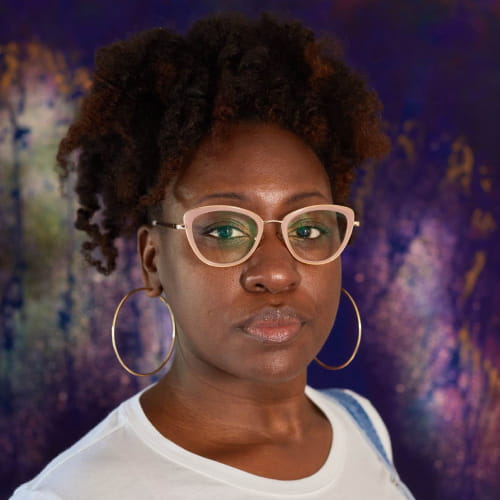
Alexis McGrigg is a contemporary artist who examines themes of space, time, spirituality, identity, Blackness, and collective consciousness. Her work spans painting, drawing, and interdisciplinary media, exploring the multiplicity of Blackness through figurative abstraction and conceptual narratives. McGrigg integrates poetry, sound, performance, and experimental video into her practice and research. Her artwork is featured in several private collections and has been exhibited across the US and internationally, including in New York, Chicago, Miami, New Orleans, and Oakland. Recent solo exhibitions include In The Beloved at Almine Rech Gallery, Brussels, The Labour of Being at Almine Rech Gallery, Paris, and The Ether – Journey In Between at Richard Beavers Gallery in New York. Group exhibitions include New Worlds: Women to Watch 2024 at the National Museum of Women in the Arts in Washington, DC; Women in Abstraction at Almine Rech in New York; and LIGHT at the Czong Institute for Contemporary Art in South Korea.
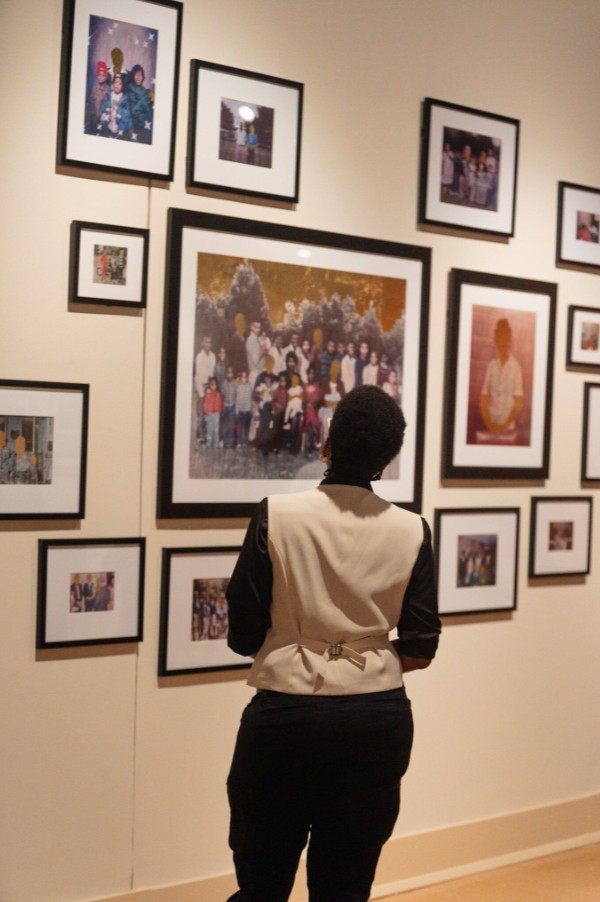
Contributing writers were encouraged to pen texts using the style, voice, and format of their choice. The resulting suite of poetry, journalistic and critical prose, creative essays, and personal reflections offers diverse perspectives on the artists, their practices, and their lives.
A Note from the Curator
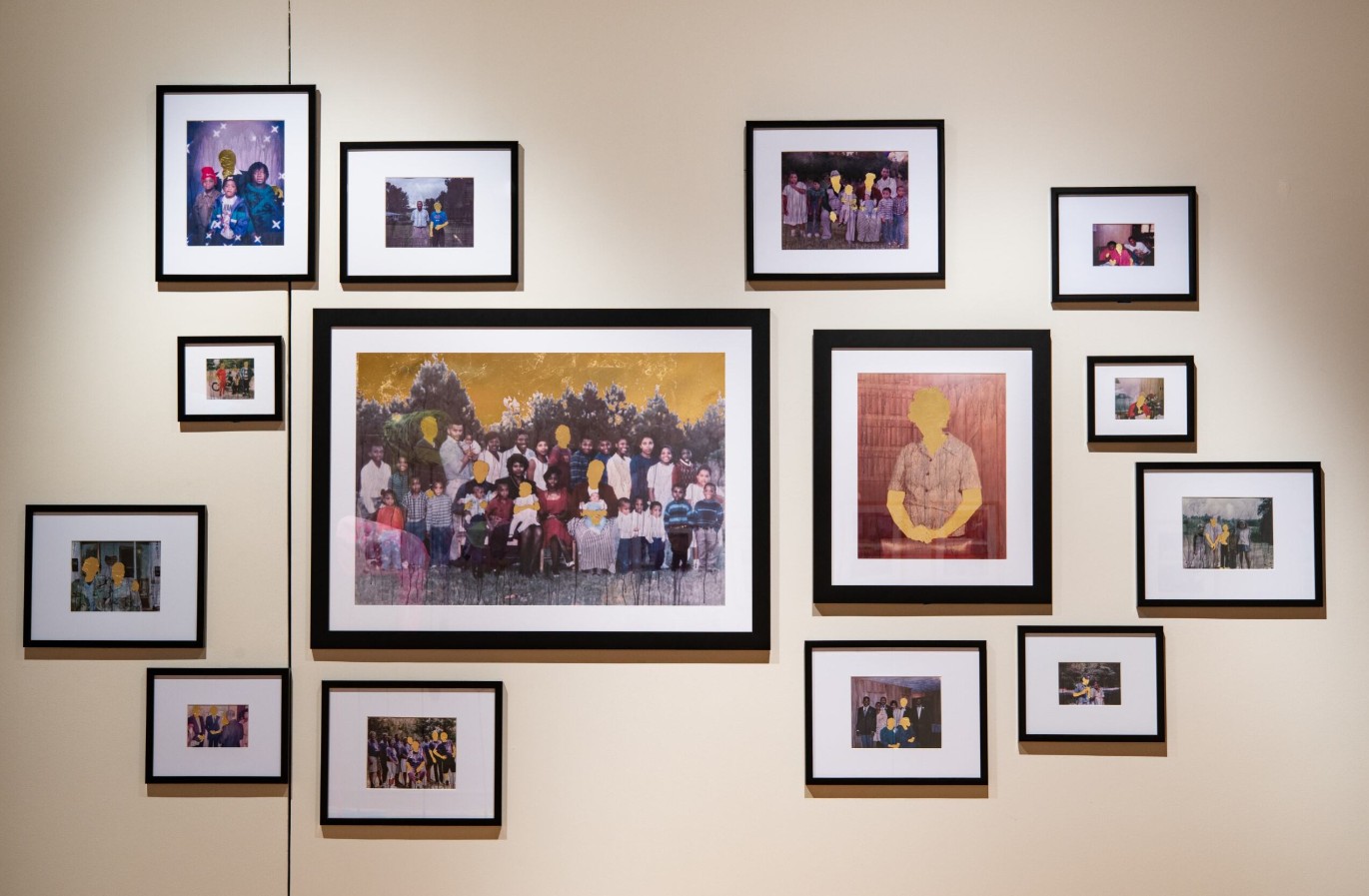
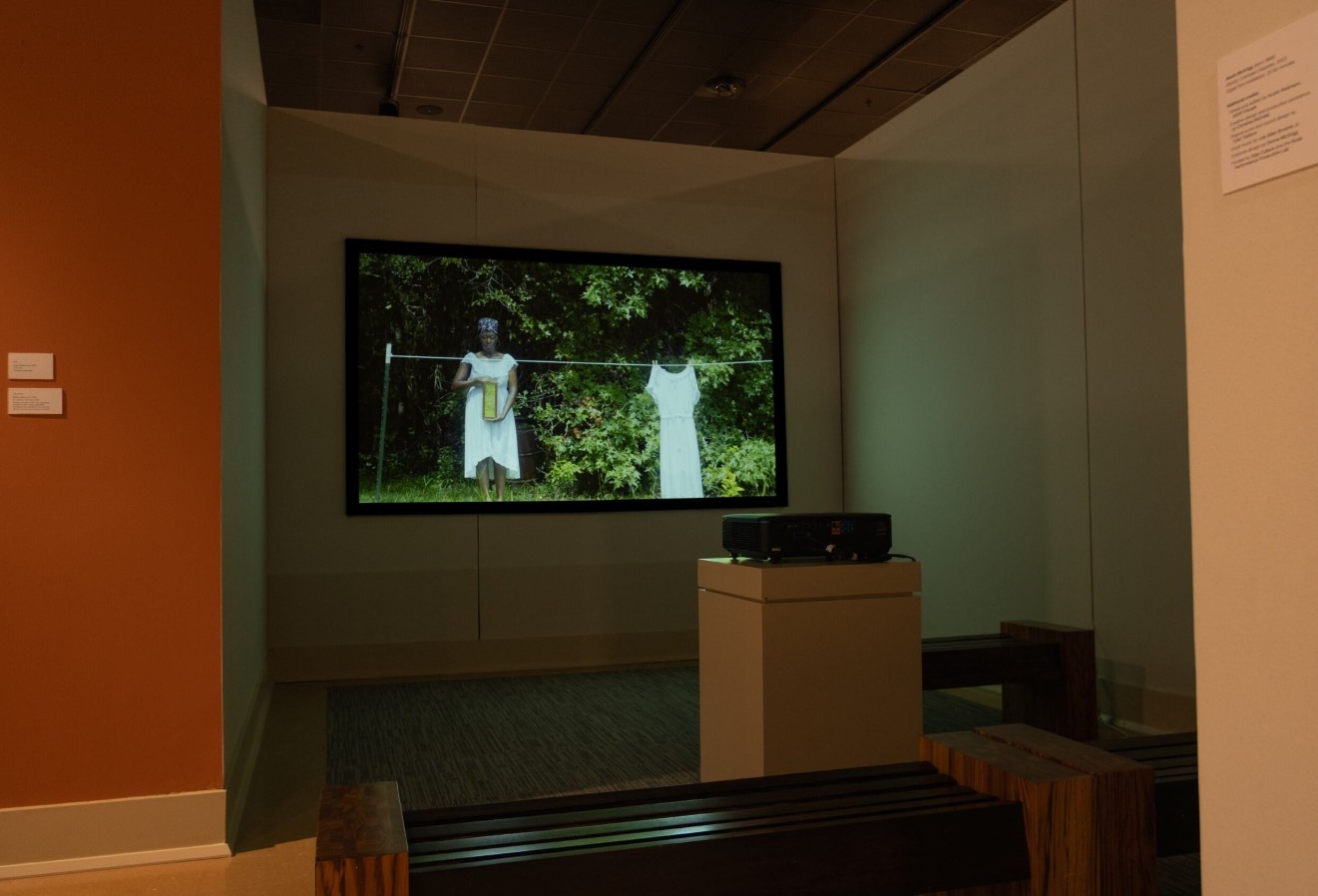
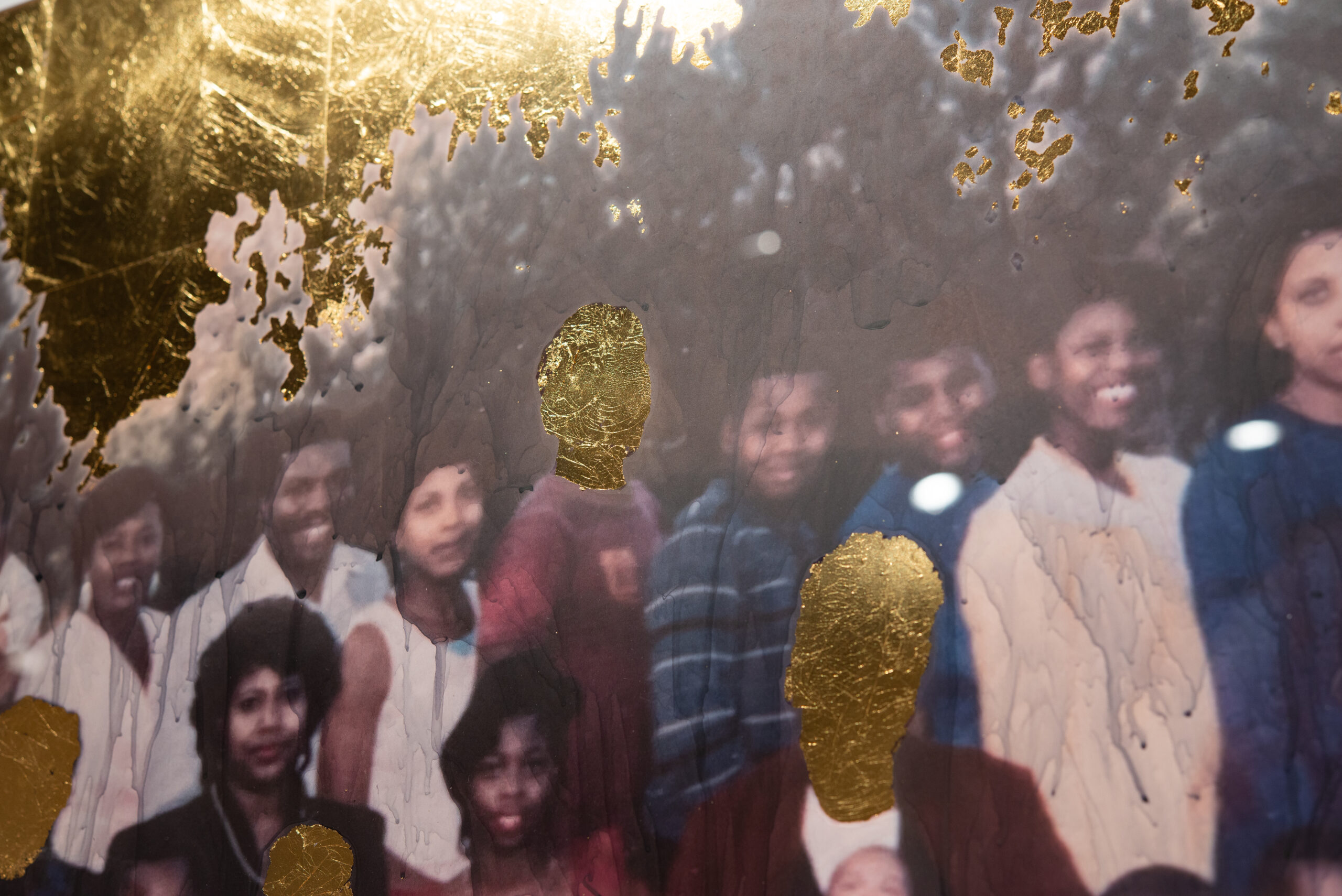
Linking their shared interest in exploring the histories of their families, curator TK Smith writes a short reflection on Aleixs McGrigg’s film Alterity, which had its premiere at the opening of the 2025 Mississippi Invitational. The film is a visual investigation of the body’s tangible and spiritual relation to the land and water. McGrigg investigates how relatives whom she has never had the opportunity to know are still tied to her through the land they share and through intergenerational trauma. Here Smith explores this metaphysical connection through his own loss and the traditions, superstitions, and spiritual beliefs that are meant to tie or release us from those who have passed.
TK Smith on McGrigg
I never grew up in a house with the porch roof painted haint blue. We didn’t hang glass bottles from our trees. I stopped lining doorways with pennies when my great grandmother died.
It’s always interesting, the reasons we disregard our traditions. When my grandfather died, a friend asked me if I had turned down the photographs I have of him. There is only one, a black and white family portrait of him young, with his young family—his first wife, three daughters, my mother. It must have been taken around 1971. I guess this date, based on the age of my infant mother, but also, the boldness of the walnut frame. That same friend asked if we did a “sitting up,” which in a way, we did. The family my grandfather built surrounded him as he transitioned. His body remained with us until we had all whispered our love and our regrets. My friend then asked if I had covered all the mirrors, and, as if I were shamed, said no. We both know, my friend and I, that things like photographs and mirrors are thresholds between this world and the next, and I know, that to leave them uncovered—to leave them open—is to make way for my grandfather to come back to me.
Artist Alexis McGrigg understands the significance of the mirror. Her folks, like mine, are from Mississippi. I suspect her folks are very spiritual too. In her film, Alterity: Unknown Histories, she depicts herself returning home to Utica, to the very land on which her family had lived. There, in a green clearing, sat a standing mirror. It was waiting for her somewhere between a shed and an empty clothesline. When she looked into that mirror, she saw her ancestors, and through a spiritual pull, they led her to her inheritance. The layers of reflection are significant. McGrigg is revealed to be the sentient reflection of her ancestors, but also, the land is revealed to be a mirror in itself, offering the artist new ways of seeing and understanding herself. It is a gift to be seen, not visually, but spiritually, to be known in the particular ways that only family can. In the film, McGrigg cried, a guttural response to the understanding that she is never alone.
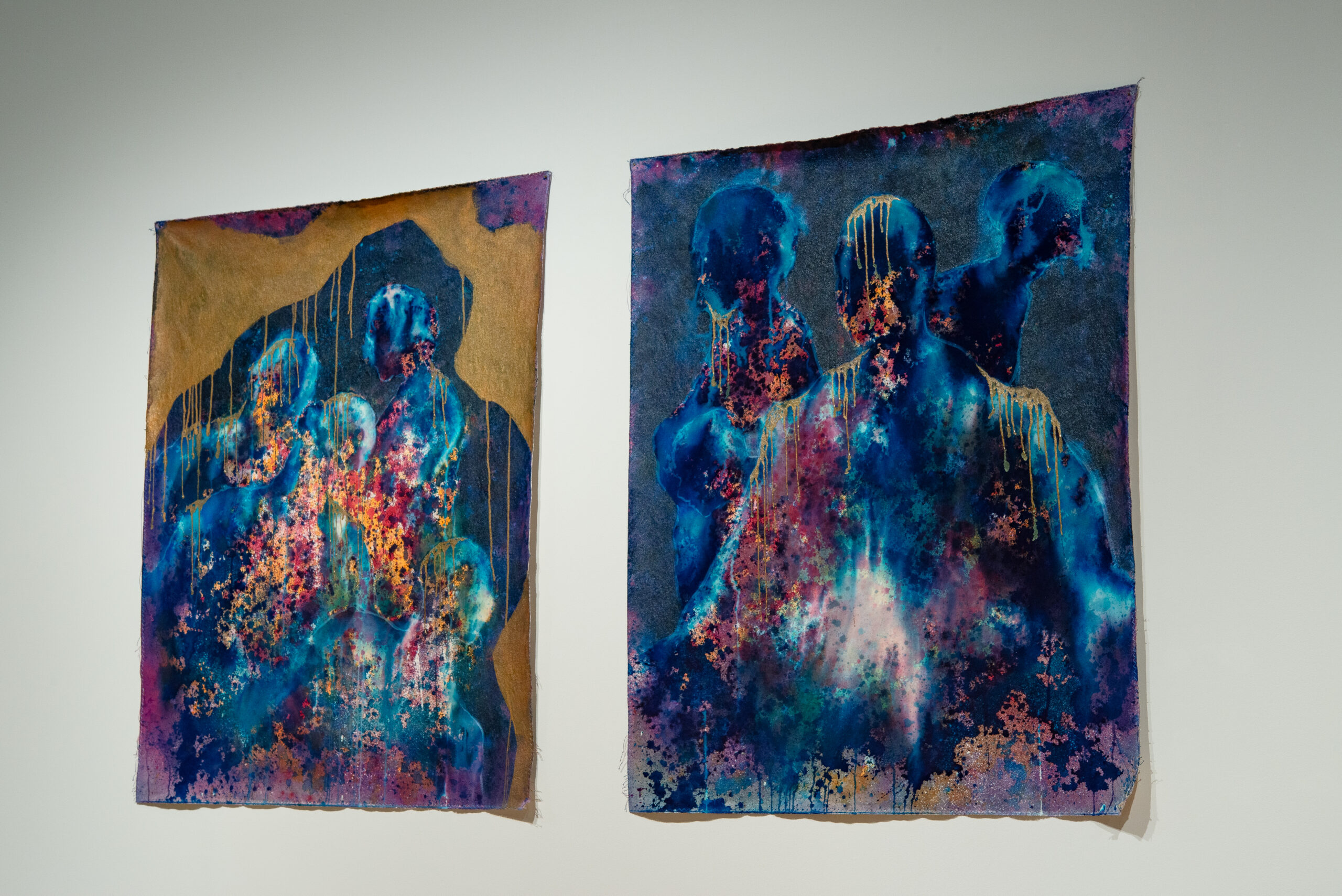
Despite all adversity, I have always maintained the belief that my ancestors did not leave this world without passing down everything I would need to survive. This sentiment is at the heart of McGrigg’s Alterity. My inheritance, along with my broad nose and gift for storytelling, is the unshakeable belief that I am loved. I am loved and have been prayed for every day of my life. This blessing is what fuels my writing, and I’d wager that it fuels McGrigg too. She is a multimedia artist, most known for her paintings. Her figurative abstractions suggest bodily forms that emerge from her mixtures of Procion MX dye and acrylic. These forms are intuitive, formed in the processes of painting. They are not rendered with eyes, mouths, or any other definitive feature, however, she recognizes these forms as ancestors and welcomes them through the canvas.
