
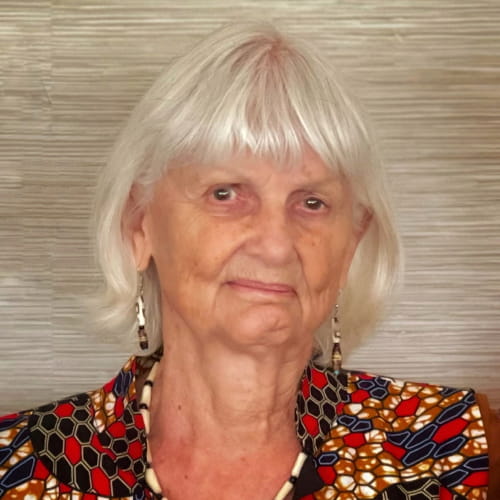
Betty Press is a documentary photographer. After moving to Hattiesburg, Mississippi, she started road-tripping across the state to document the Southern black and white experience using black-and-white film. This work culminated in her 2016 photobook, Finding Mississippi. Press received the Mississippi Institute of Arts and Letters Award in photography in 2012. Her work has been widely exhibited and published in photography magazines including SHOTS, Silvershotz, South x Southeast, F-Stop, and Lenscratch. Her photographs are in the permanent collections of the Beinecke Library at Yale University in New Haven, Connecticut; The National Museum of Women in the Arts in Washington, DC; the Do Good Fund in Columbus, Georgia; the Mississippi Museum of Art; and others. Since 2019, Press has regularly traveled to Kenya to document urban culture and social justice. Her series THEY WERE US: Stories of Victims and Survivors of Police Brutality in Kenya tells the stories of families affected by excessive police violence in Nairobi’s informal settlements.
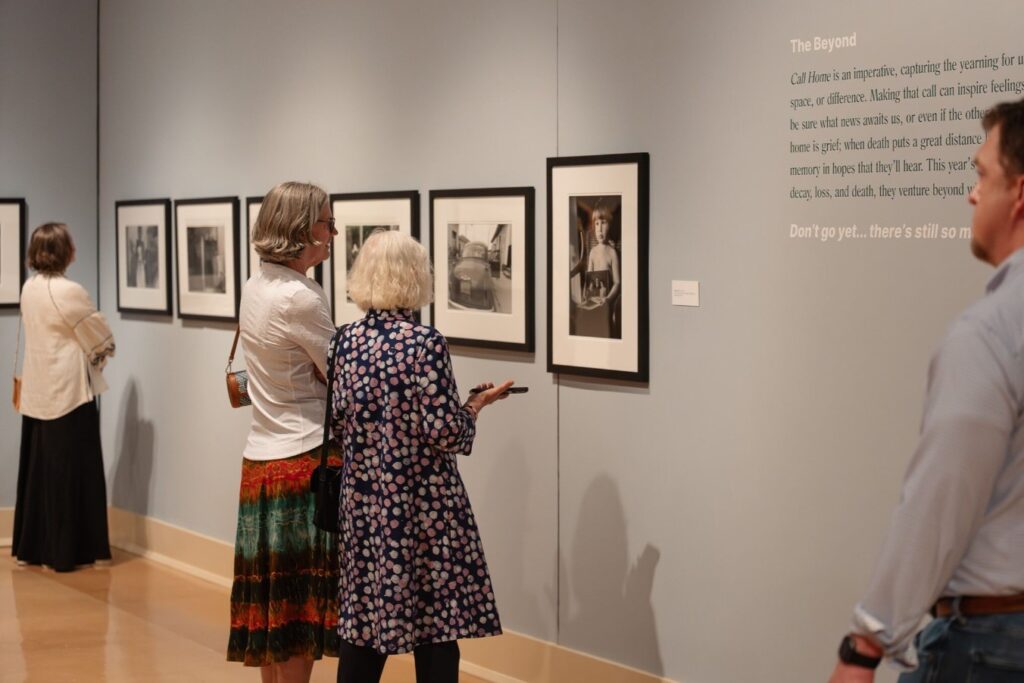
Contributing writers were encouraged to pen texts using the style, voice, and format of their choice. The resulting suite of poetry, journalistic and critical prose, creative essays, and personal reflections offers diverse perspectives on the artists, their practices, and their lives.
A Note from the Curator
Carolyn McIntyre Norton is a fine art photographer, printmaker, and artist’s bookmaker based in Austin, Texas. As a friend and fellow lens-based artist, Norton offers a dynamic biography that skims the surface of the life and career of photographer Betty Press. Press’s photographs reflect an expert eye for compositions of light and color, as well as a passionate wanderlust that has taken her around the world. Highlighting Press’s ability to build community anywhere she finds herself, Norton gives context for the close proximity and affective intimacy found throughout the different bodies of work featured in the 2025 Mississippi Invitational. Despite cultural differences and language barriers, Press was able to get up close and personal with her subjects, capturing their domestic lives without trivializing them.
Carolyn Norton on Betty Press
Her slim wedding band—sufficient to symbolize the strength and adventurous spirit of a marriage that whisked her from a Nebraska farm to Europe, the Middle East, Asia, and Africa. Her observations of humanity’s interwoven themes of resilience and joy, unforeseen at the time, would underpin her life’s work.
“Water, no ice.”
Betty’s beverage of choice. A vestige of the new surroundings that marked her start as a photojournalist in 1987 living in and traveling the African continent. Her recognition of the unwavering grace that persists within different African people despite various types of adversity influenced Betty’s work and led to her first monograph in 2011. Titled I Am Because We Are: African Wisdom in Image and Proverb, this photobook made for a fresh, life-affirming portrait of African people and their unique cultures.
“Do you mind if I take some pictures?”
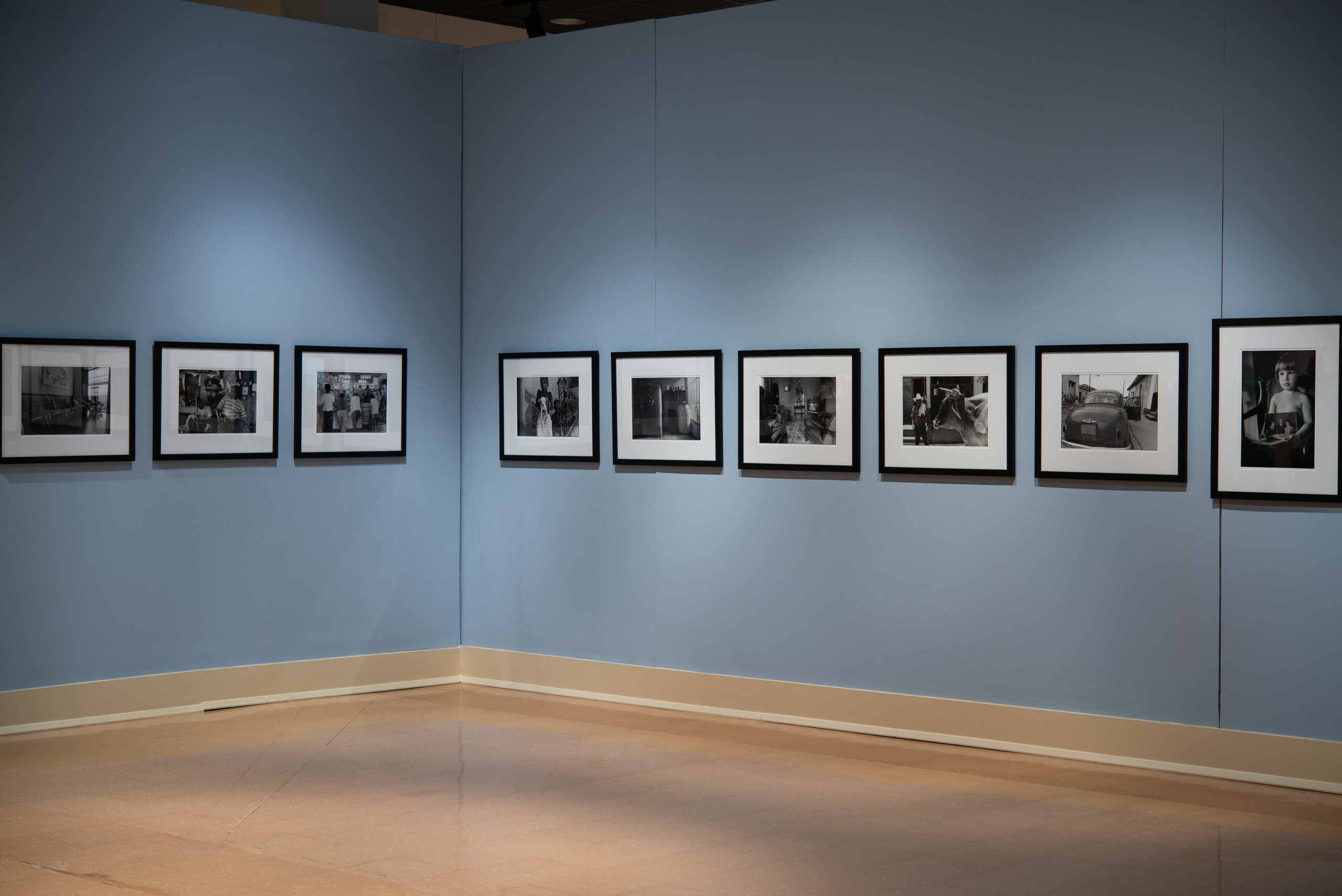
Eight years later, life circumstances brought Betty and her husband back to the United States to settle in Florida. However, a longing to further explore pushed Betty to travel abroad, this time south. She would venture twice to Cuba and later to Belize, Nicaragua, and Trinidad. These journeys placed her squarely among the vast cultures of the African diaspora in an era when there were few Americans in those countries, tourism was low, and most importantly, she was free to roam alone, observing, learning, and taking pictures that extended her awareness of the preservation and celebration of African traditions around the world. Betty’s humility and gentle spirit may have eased her welcome into settings of private family life, access which formed her series Travel (Trinidad, Cuba, and Nicaragua).
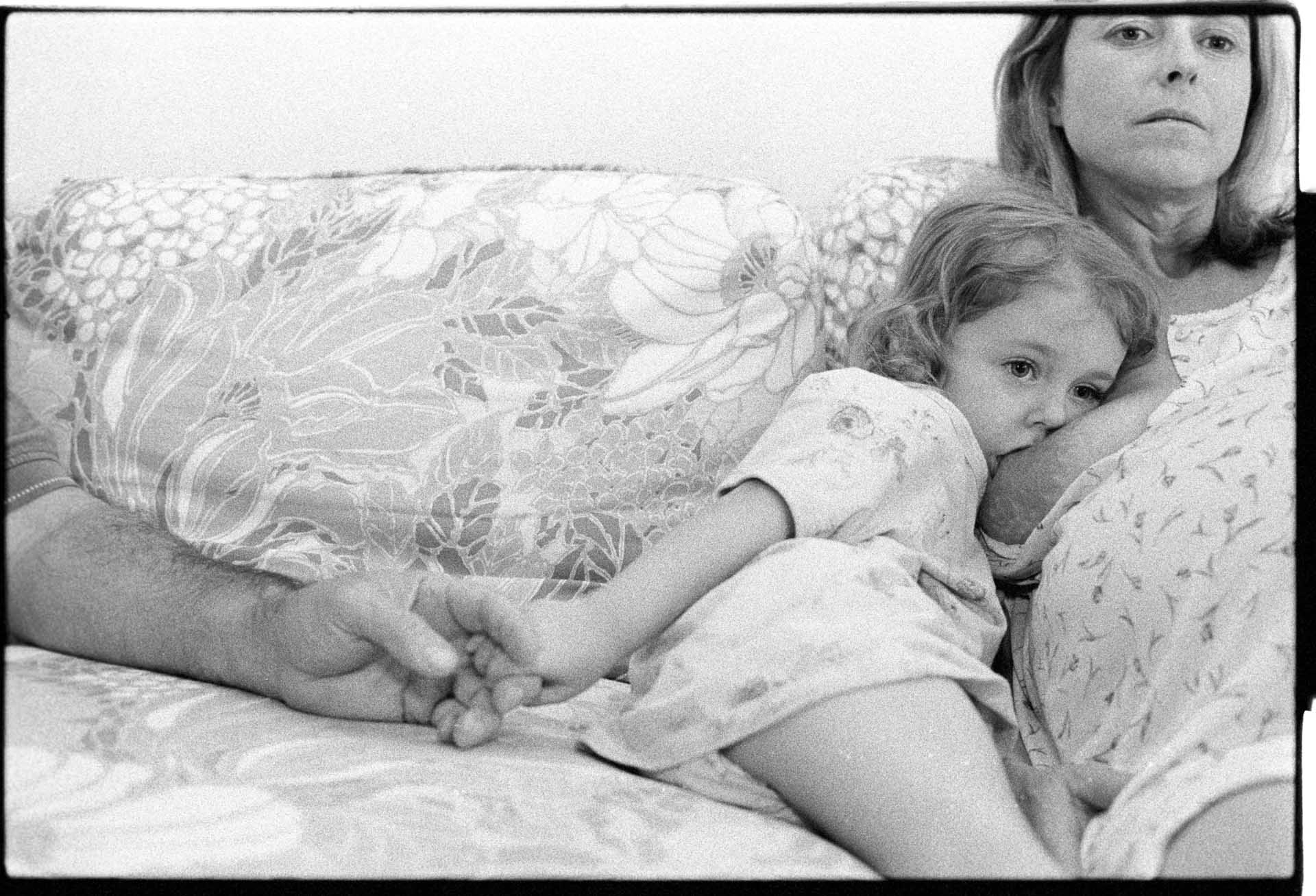
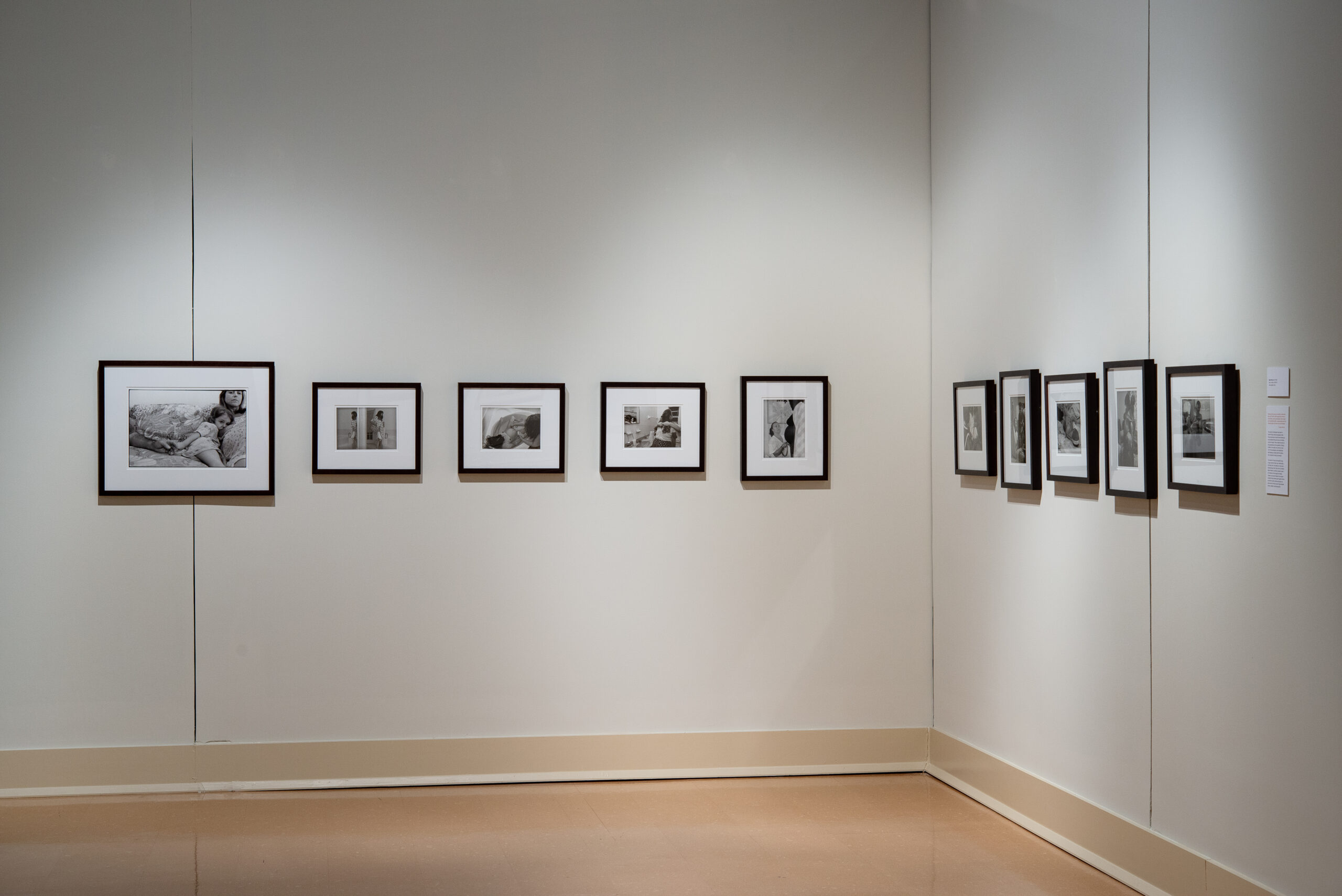
Back in Florida in 2000, Betty started her series Born At Home. Waiting for the news of a mother’s impending labor—six times over—with a 3200-speed film camera in hand, Betty created photographs that lovingly and respectfully offer a unique glimpse into the intimate spaces of human care and devotion. Following one midwife’s daily duties, Betty attended prenatal classes, informal house visits, and births, which allowed her to observe and document the strong bonds forming between mother and midwife. This celebratory atmosphere is reflected in the series Born at Home.
Backyard Mississippi. Betty’s garden is adrift with native flowers and African artifacts, including a stained-glass-like windchime of lighters scavenged from Kenyan beaches. In 2003, a move to America’s Deep South compelled Betty to research the state’s complicated history. With time, she got to know the hearts of Southern people as she listened and captured moments that tell personal stories. Her 2016 monograph Finding Mississippi presents her point of view, intended “to shed some light on this often-stereotyped state.”
“He’s demonstrating how to stand when approached by police.”
Always keen to employ her talents in the face of injustice, Betty does what is necessary. This includes traversing the informal settlements around Nairobi with collaborating activists. Together, they documented the stories of eighteen families that lost loved ones to what the team described as “the political elite that use police to criminalize poverty through state-sanctioned violence in the name of safer communities.” This resulted in their 2021 book They Were US that captures their stories.
“I’ve lived most of my life in Kenya and Mississippi.”
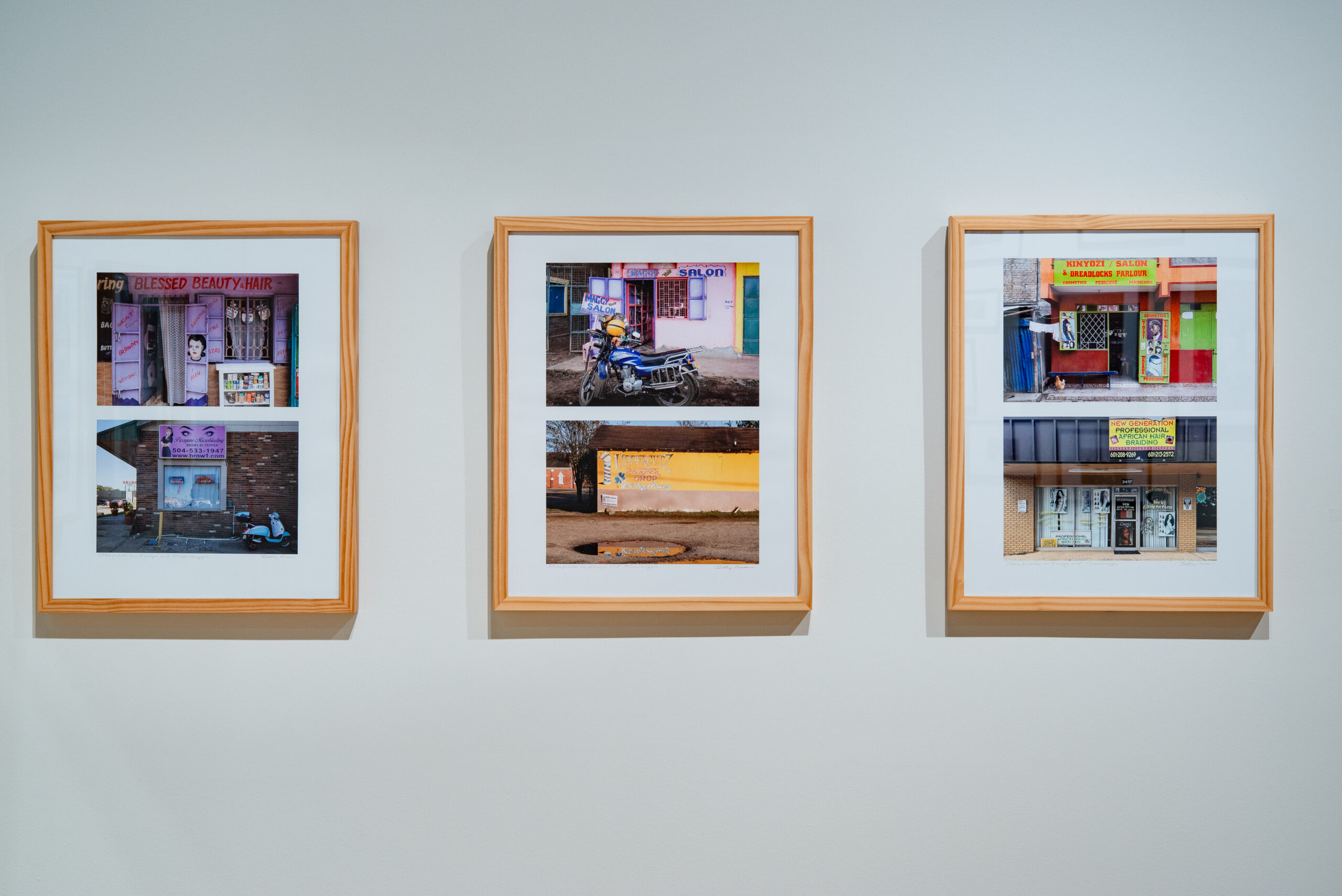
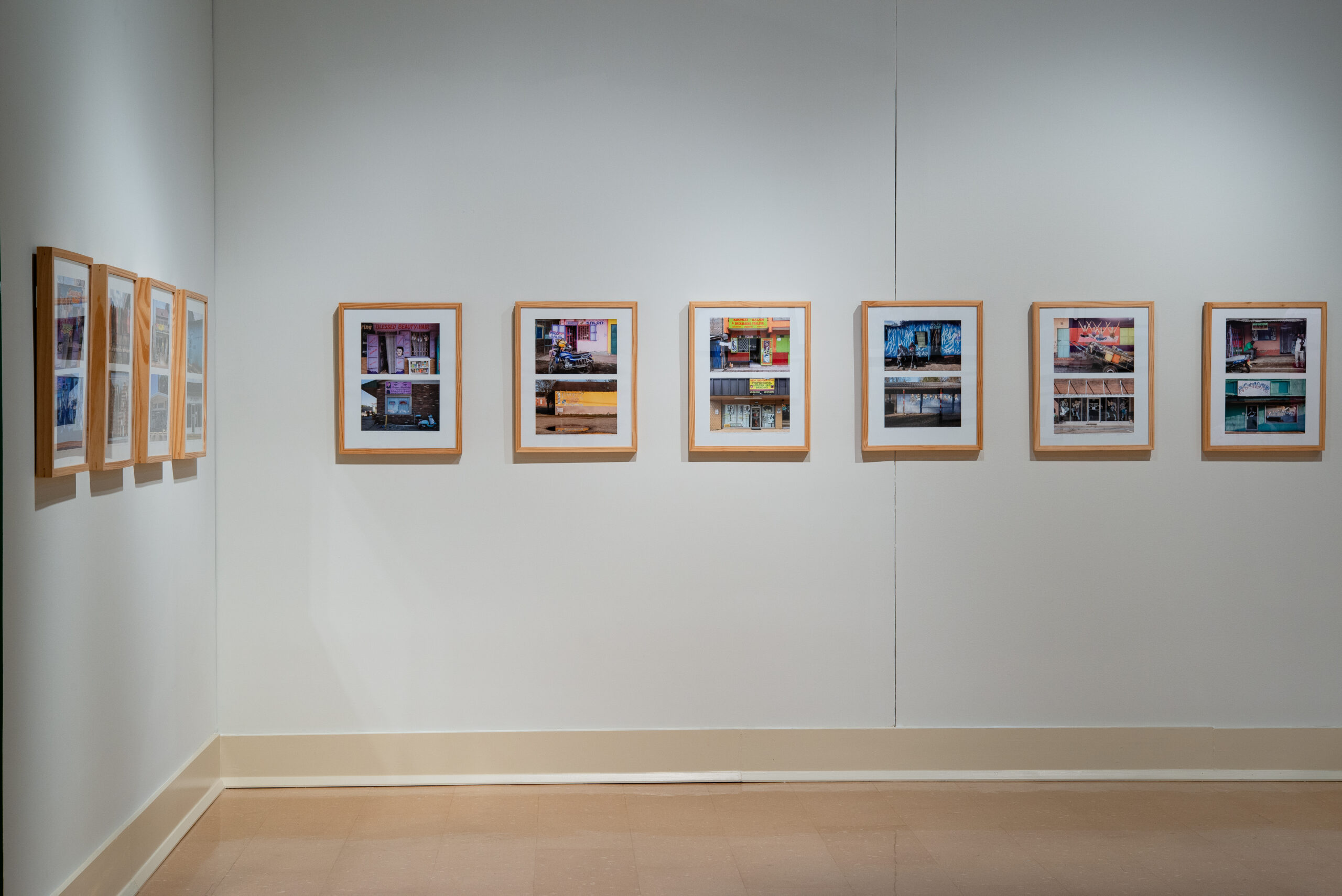
Betty spends hours wandering. She photographs bright murals, often proudly signed by their makers, that adorn small shops in her Mississippi home and in Kenya, where she spends biannual summers. In both cultures, every inch of local shops is often ornamented with vibrant images and expressive typography that enliven streets, engage people, and provide lifelines of services for their communities. For her series Storefronts Betty created twenty diptychs that engage viewers in comparing commonalities and differences between the two interconnected cultures. Her positive imagery pays tribute to entrepreneurs around the world who embody hope, resourcefulness, and success within their communities.
