
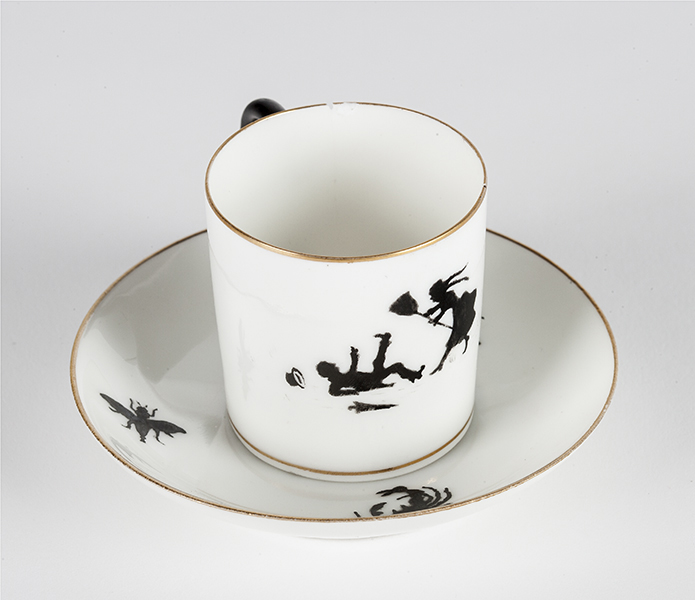
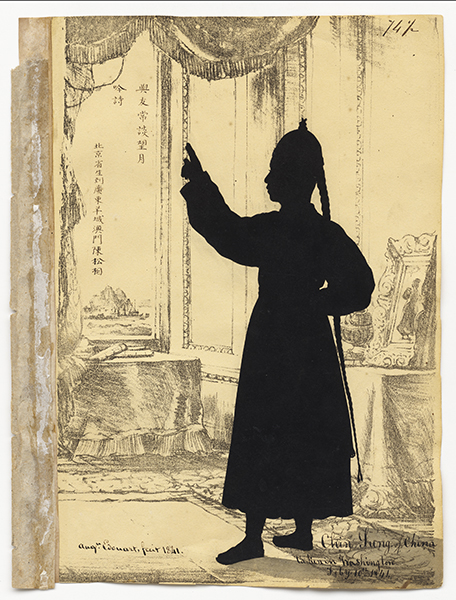
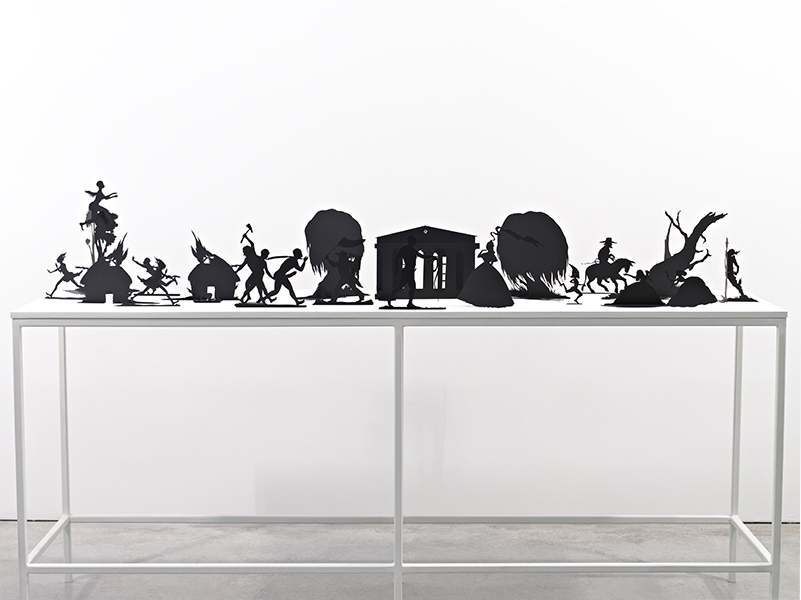

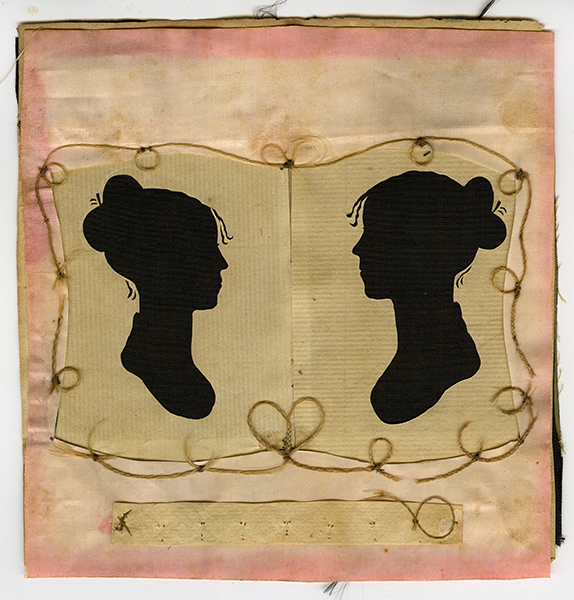
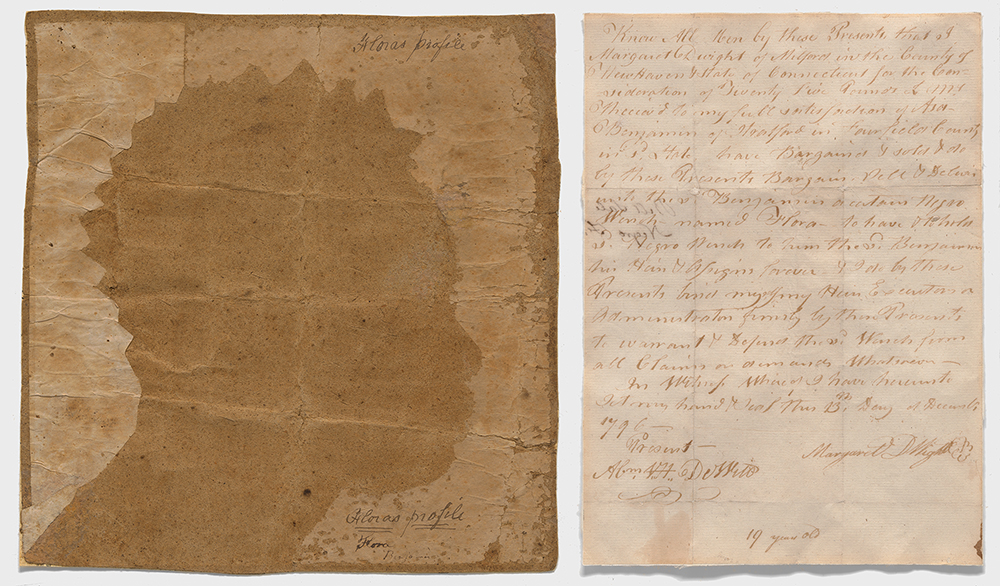
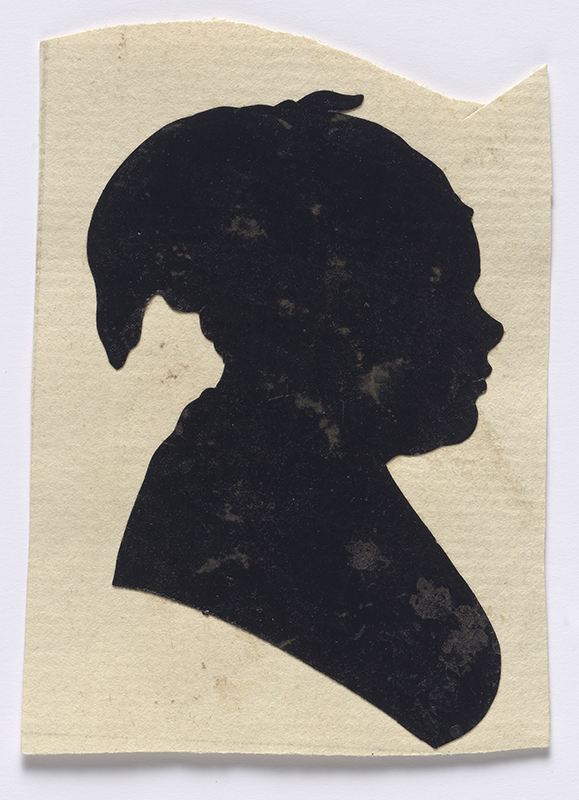
Black Out: Silhouettes Then and Now fuses the history of silhouette portraiture and its interpretation in contemporary art in beautiful and thought-provoking ways. The silhouette is an art form with a long tradition in the culture of the American South. During the 19th century, Mississippians practiced the art of silhouette making to create likenesses of themselves and family members. The silhouettes were a widely accessible medium to produce a portrait before the age of photography. Professional artists such as Auguste Edouart worked in Natchez to create silhouettes of local elites. But the silhouette was also employed to produce the image of people who were enslaved or had escaped slavery. Black Out is an important contribution toward examining the legacy of the cut paper profile through a dialogue with contemporary art. Three well-known contemporary artists, Kara Walker, Camille Utterback, and Kumi Yamashita, reexamine and reimagine the silhouette to broaden our understanding of its power in the past and in the present.
This exhibition is organized by the Smithsonian’s National Portrait Gallery in Washington D.C., with the support of The Carl & Marilynn Thoma Art Foundation. Its presentation in Jackson, Mississippi, is made possible by the Ford Foundation, Dea Dea and Dolph Baker, and Visit Jackson. Support is also provided in part by funding from the Mississippi Arts Commission, a state agency, and in part by the National Endowment for the Arts, a federal agency.
